Slug Facts & Information
Protect your home or business from slugs by learning techniques for identification and control.
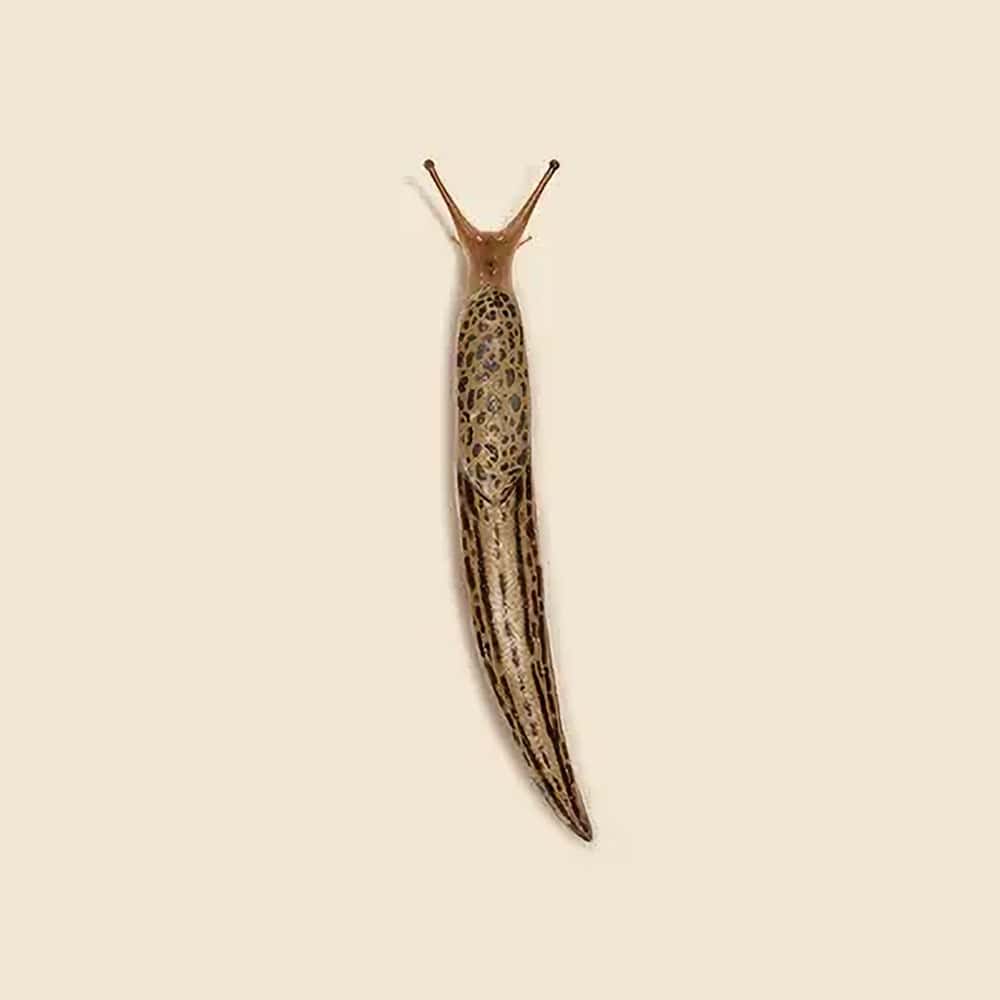
Class Gastropoda
Identify
Types of Slugs
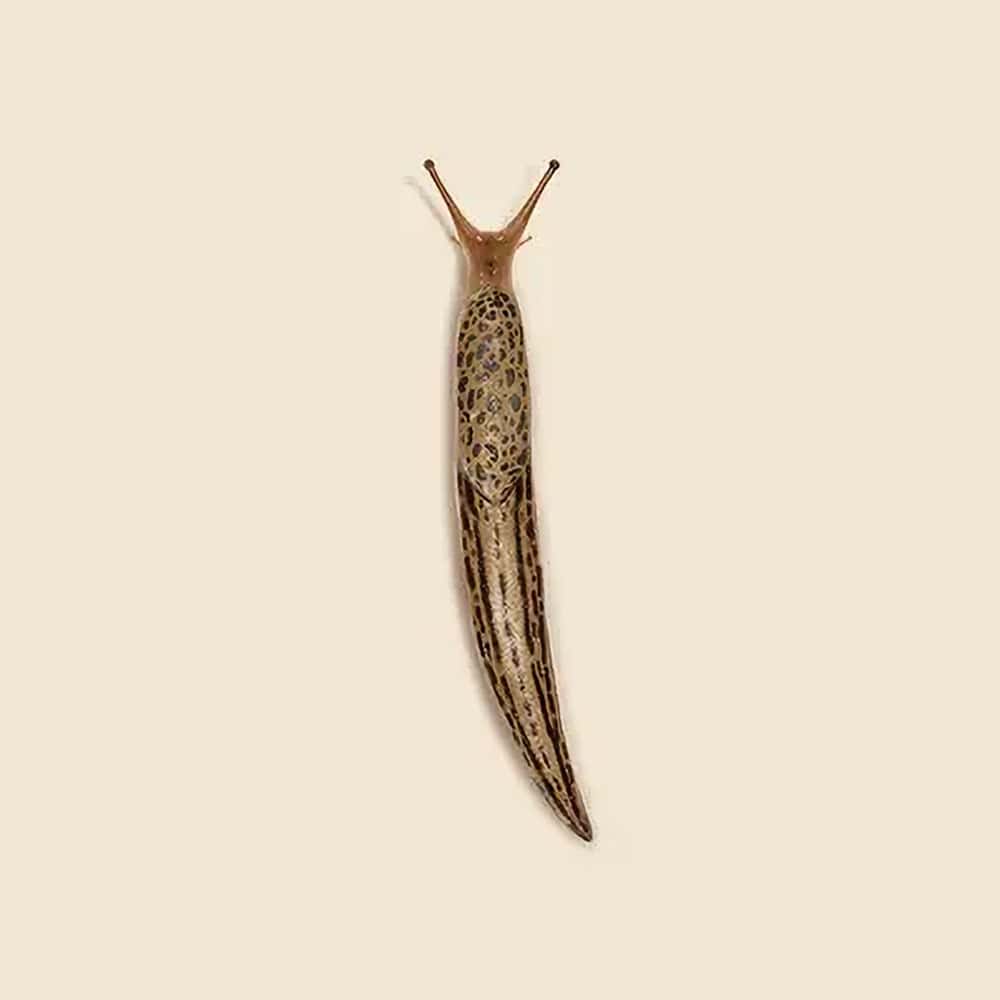
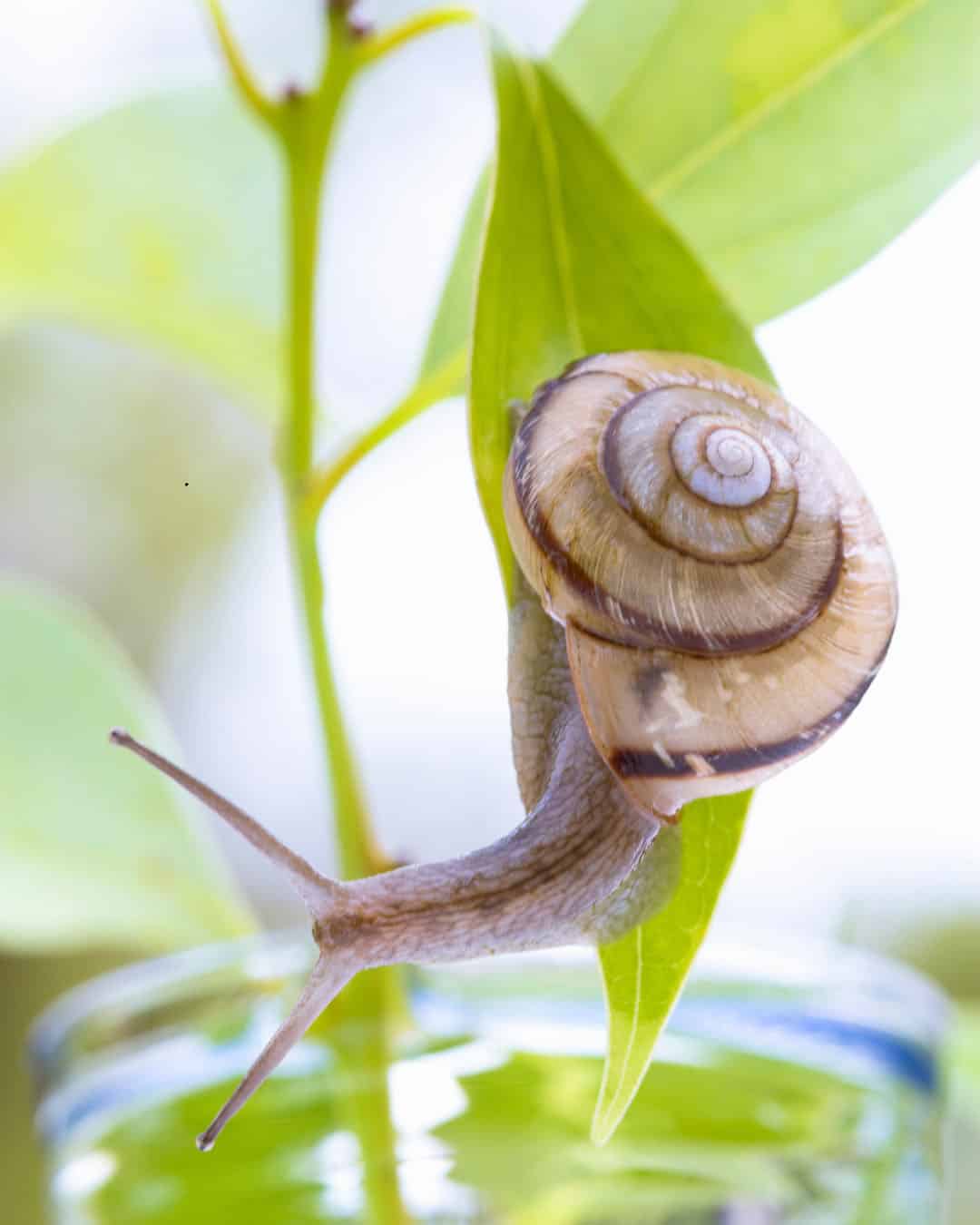
Slugs and snails may move slowly, but their impact on gardens and landscapes can be swift and severe. These pests feed on a wide variety of plants, causing significant damage to leaves, stems, and roots, and can be particularly problematic in damp and humid conditions.
Common Types of Slugs
TREATMENT
How do I get rid of Slugs?
At Hearts Pest Management, we provide effective solutions to manage slug and snail infestations, protecting your garden and landscape from their destructive habits. Our process starts with a detailed inspection to identify affected areas, determine the extent of the infestation, and assess environmental conditions that favor these pests. Utilizing Integrated Pest Management (IPM) principles, we create a tailored treatment plan that targets slugs and snails while minimizing harm to beneficial organisms and the environment.
Our approach includes a combination of barriers, baiting, and environmentally friendly treatments to reduce slug and snail populations. We use organic repellents and natural predators, such as nematodes, to control these pests effectively. Additionally, we emphasize habitat modification, such as reducing moisture levels and removing hiding spots, to create an inhospitable environment for slugs and snails. By addressing both the immediate problem and the underlying causes, we ensure comprehensive and long-lasting protection.
Organic "Green Thumb" Program
Green Thinking to a Green Award Winning Company. We are constantly updating the list of products used within this program.
EPA Award Winning
We are the first pest control company in Southern California to achieve the California EPA Integrated Pest Management Award.

Active Member of the National Pest Management Association
We are one of the few pest control companies in this region licensed to perform both structural and landscape services.
Slug FACTS
Learn All About Slugs
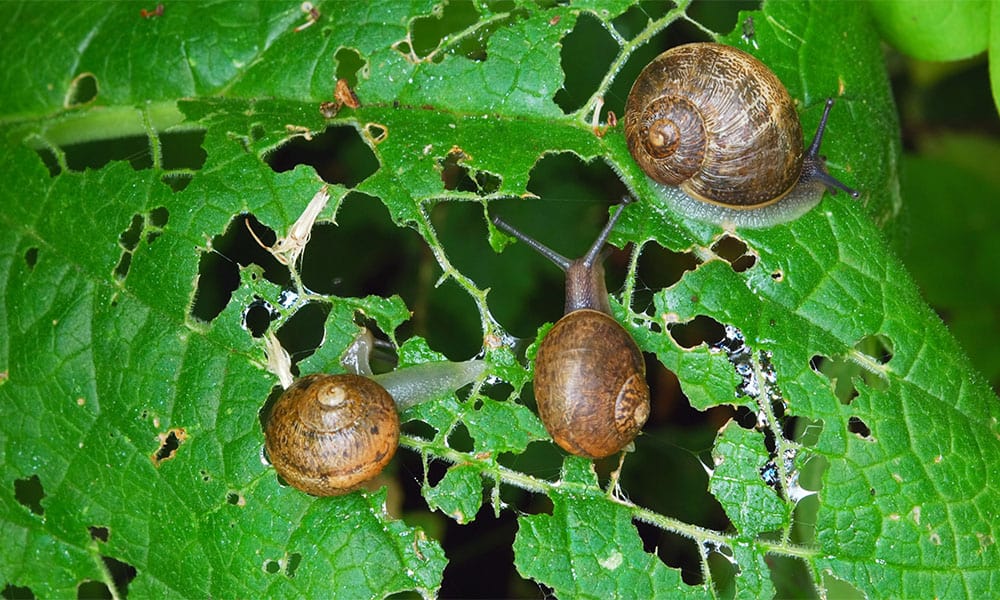
The more you know about slugs, the better you can predict and control their behavior. Here are some interesting facts to help you on your way.
Lifespan
Slugs and snails can live from one to several years, depending on the species and environmental conditions.
Diet
These pests are primarily herbivores, feeding on a wide variety of plant material, including leaves, flowers, fruits, and decaying organic matter.
Behavior
Slugs and snails are most active at night and during damp or rainy weather, making them more challenging to detect and control during the day.
Reproduction
Both slugs and snails are hermaphrodites, meaning they possess both male and female reproductive organs. They can lay hundreds of eggs each year, leading to rapid population growth if not managed effectively.